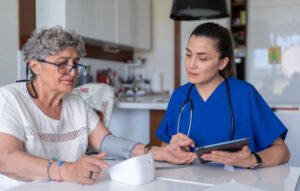
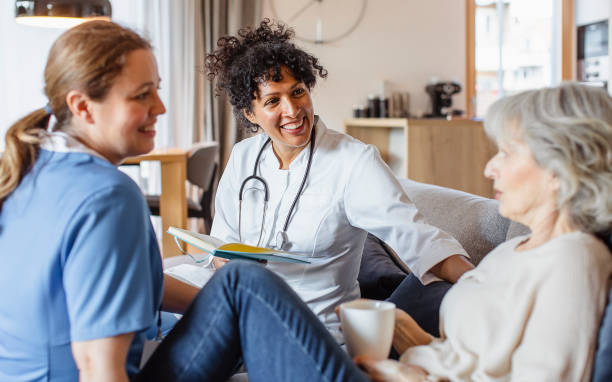
Recovering from surgery, an injury, or a decline in mobility can feel overwhelming. Many individuals want to regain their strength and independence, but traveling to outpatient appointments is not always easy. Transportation challenges, pain, fatigue, caregiver schedules, and safety concerns can make consistent rehabilitation difficult.
This is one reason many families are exploring in-home physical therapy in Orlando. Through home-based rehabilitation and nursing support services, patients can receive therapy in the environment where they live, move, and perform daily activities. This approach allows treatment to focus on practical goals while reducing many of the barriers that can slow recovery
Families often ask a simple but important question: Is in-home physical therapy truly effective?
For many patients, the answer is yes. Research from the American Physical Therapy Association (APTA) shows that physical therapy helps improve movement, restore function, reduce disability, and support independence through individualized treatment plans. When therapy is delivered in the home, those benefits can become even more meaningful because treatment occurs in the setting where daily life actually happens.
At ZODU Home Health Care, rehabilitation is part of a larger vision of coordinated support. ZODU is an Integrated Family Health System that gives families and caregivers one clear path to health by coordinating medical, behavioral, developmental, and rehabilitative care into one integrated ecosystem.
One Path. One Family. One Care.
This philosophy matters because recovery is rarely about a single therapy appointment. Progress often depends on communication, consistency, caregiver involvement, and coordinated support.
What Is In-Home Physical Therapy?
Physical therapy helps individuals improve movement, strength, balance, flexibility, and overall physical function. While many people think of therapy as something that happens in a clinic, home-based services bring licensed therapists directly to the patient.
Instead of practicing movements in an unfamiliar environment, patients work on skills in the place where they actually live.
Licensed therapists in your home can evaluate:
- Walking ability
- Balance and fall risks
- Stair navigation
- Transfer safety
- Endurance levels
- Functional mobility
- Home safety concerns
This allows treatment plans to focus on real-life challenges rather than hypothetical situations.
For example, a patient recovering from knee replacement surgery may struggle with climbing stairs inside their home. A therapist can observe that challenge directly and create exercises and mobility strategies tailored to that specific environment.
The result is therapy that feels relevant and practical.
Why More Families Are Choosing Therapy at Home
The healthcare system can sometimes feel fragmented.
Patients may see multiple providers, receive different recommendations, and struggle to coordinate care. Families often find themselves repeating the same information over and over while trying to manage appointments, medications, and recovery plans.
The villain in many recovery stories is not the injury.
The villain is fragmentation.
Fragmentation creates barriers that can delay progress and increase stress for both patients and caregivers.
At ZODU Home Health Care, services are designed to be coordinated, not fragmented.
Your family carries the story. We carry the coordination.
When rehabilitation services are delivered in the home, therapists gain a clearer understanding of how patients function in everyday life. This often leads to more personalized recommendations and better communication between care team members.
Warm handoffs between services help ensure continuity while reducing unnecessary confusion.
Understanding the Real Benefits of Home-Based Rehabilitation
Many people assume that physical therapy is simply a collection of exercises.
In reality, therapy is designed to improve the ability to perform meaningful daily activities.
Some of the most important PT at home benefits include convenience, individualized treatment, improved safety awareness, and stronger caregiver involvement.
Because therapists can observe a patient’s environment directly, they can identify hazards that may contribute to falls or mobility difficulties.
These observations allow families to make practical changes that support recovery.
Examples may include:
- Removing tripping hazards
- Improving lighting
- Rearranging furniture
- Installing safety equipment
- Creating safer walking paths
These small adjustments can make a significant difference in confidence and independence.
How In-Home Physical Therapy Supports Recovery Goals
Recovery looks different for every individual.
A younger adult recovering from surgery may have different goals than an older adult managing a chronic condition. Effective therapy recognizes these differences and adapts accordingly.
Physical therapists commonly help patients work toward goals such as:
- Walking independently
- Improving balance
- Increasing strength
- Reducing fall risk
- Returning to daily activities
- Building endurance
- Managing mobility limitations
Progress is measured over time through consistent assessment and adjustment of treatment plans.
Many families find comfort in knowing that therapy can be adapted as needs change.
Post Surgery Rehab at Home: A Practical Option
One of the most common reasons families seek therapy services is surgical recovery.
Post surgery rehab at home allows patients to begin rehabilitation without the physical strain of traveling to appointments.
This can be particularly helpful following:
- Joint replacement surgery
- Orthopedic procedures
- Fracture repair
- Back surgery
- Extended hospital stays
Therapy often focuses on rebuilding strength, improving mobility, increasing flexibility, and helping patients safely return to everyday activities.
The goal is not to rush recovery.
The goal is to support steady progress while reducing risks that could lead to setbacks.
According to the Centers for Disease Control and Prevention (CDC), maintaining mobility and physical activity plays an important role in overall health and quality of life, particularly for older adults.
The Importance of Family and Caregiver Support
Recovery rarely happens in isolation.
Family members often play a critical role in helping loved ones stay motivated, follow exercise plans, and maintain safe routines.
That is why family and caregiver support remains an important part of effective rehabilitation.
Caregivers frequently help with:
- Transportation needs
- Daily routines
- Medication reminders
- Home safety
- Encouragement during recovery
Yet many caregivers carry significant responsibilities while trying to balance work, family, and personal obligations.
You don’t have to navigate alone.
At ZODU Home Health Care, caregivers are viewed as important partners in the rehabilitation process.
Their observations and experiences help therapists better understand challenges and opportunities for progress.
Connect → Coordinate → Transform
Every family arrives with a different story.
At ZODU Home Health Care, support follows a structured process designed to reduce confusion and create clarity.
Connect
The first step is listening.
Care teams take time to understand medical history, mobility concerns, caregiver challenges, environmental factors, and recovery goals.
We see the whole story.
Coordinate
The next step focuses on bringing services together into one coordinated ecosystem.
Whether a patient needs physical therapy, skilled nursing, caregiver support, or additional rehabilitation services, care is organized around shared goals.
This helps families experience support that is connected rather than fragmented.
Transform
Transformation happens through consistent effort, coordinated care, and measurable progress.
The objective is helping patients improve mobility, confidence, and independence while supporting the caregivers who walk alongside them.
Ready to learn more? Schedule a consultation with the ZODU Home Health Care team.
Benefits of In-Home Physical Therapy for Recovery and Independence
One of the biggest advantages of receiving therapy at home is that treatment takes place in the environment where daily life actually happens. Instead of practicing movements in a clinic and hoping they transfer to home routines, patients learn skills directly in the spaces where they need them most.
For example, a therapist can observe how a patient moves from the bedroom to the bathroom, navigates stairs, or enters and exits the home. This real-world perspective allows for more personalized recommendations and safer recovery strategies.
Many families also appreciate the convenience. Traveling to appointments can be physically demanding after surgery or illness. Home-based rehabilitation eliminates transportation challenges and helps patients conserve energy for recovery.
Common PT at home benefits include:
- Improved comfort during therapy sessions
- Reduced travel-related stress
- Personalized treatment in a familiar setting
- Better caregiver involvement
- Greater focus on functional daily activities
- Enhanced safety assessments within the home
Research from the American Physical Therapy Association supports the value of physical therapy in improving mobility, strength, balance, and independence across many patient populations.
Post Surgery Rehab at Home Can Improve Functional Outcomes
After surgery, patients often face a critical recovery period. Whether the procedure involved a joint replacement, fracture repair, spinal surgery, or another orthopedic intervention, regaining strength and mobility requires consistent rehabilitation.
This is where post surgery rehab at home can be particularly effective.
Home-based therapy allows licensed therapists to focus on practical movements that patients perform every day. Instead of practicing in an unfamiliar clinic environment, patients learn how to safely:
- Get in and out of bed
- Navigate hallways and stairs
- Use assistive devices correctly
- Transfer from sitting to standing
- Manage daily household activities
Therapists can also identify environmental risks that may interfere with recovery. Small changes such as furniture placement, grab bars, improved lighting, or safer walking paths can make a significant difference.
At ZODU Home Health Care, rehabilitation is delivered as part of a broader support system. Families benefit from coordinated communication and warm handoffs between services whenever additional support is needed.
Why Fall Prevention Therapy Matters for Older Adults
Falls remain one of the leading causes of injury among older adults. Even a single fall can affect confidence, mobility, and overall quality of life.
This makes fall prevention therapy an essential component of many home health programs.
A licensed physical therapist evaluates factors that may increase fall risk, including:
- Muscle weakness
- Poor balance
- Limited flexibility
- Unsafe walking patterns
- Medication-related concerns
- Environmental hazards
Therapy sessions focus on improving stability, coordination, and confidence while moving throughout the home.
Because treatment occurs in the actual living environment, therapists can identify risks that might not be visible in a clinic setting. Throw rugs, uneven surfaces, poor lighting, and cluttered pathways can all contribute to falls.
The goal is not simply to prevent injury. It is to help individuals maintain independence and continue participating in meaningful daily activities.
Family and Caregiver Support During Fall Prevention
Family members often carry significant responsibility when supporting an aging loved one.
Many caregivers worry about leaving a parent alone, especially after a recent fall or hospitalization.
Home-based rehabilitation provides valuable family and caregiver support by teaching safe transfer techniques, mobility assistance strategies, and practical ways to reduce risk within the home.
You don’t have to navigate alone.
Senior Mobility Therapy Orlando Services Focus on Everyday Function
Mobility challenges can develop gradually due to aging, chronic illness, surgery, or injury.
Many individuals find that tasks they once completed easily become more difficult over time.
Senior mobility therapy Orlando services focus on helping older adults maintain or regain the physical abilities needed for daily life.
Therapy may address:
- Walking endurance
- Balance deficits
- Stair navigation
- Strength limitations
- Joint stiffness
- Coordination challenges
Rather than focusing solely on exercises, therapists connect treatment goals to real-life activities.
For one patient, success may mean safely walking to the mailbox. For another, it may mean attending family gatherings, cooking independently, or moving confidently throughout the home.
This individualized approach helps therapy remain meaningful and relevant.
How ZODU Home Health Care Delivers Coordinated Rehabilitation
Many families become frustrated when healthcare feels disconnected.
One provider focuses on medication management. Another handles rehabilitation. A third addresses behavioral or emotional concerns. Communication often falls on the caregiver.
This is the fragmentation that creates unnecessary stress and delays progress.
At ZODU Home Health Care, services are designed to be Coordinated, not fragmented.
As part of an Integrated Family Health System, ZODU helps families access support through one coordinated ecosystem that considers medical, rehabilitative, developmental, and behavioral needs.
The process follows three key steps:
Connect
The care team listens to your story and learns about your goals, challenges, health history, and home environment.
Coordinate
The appropriate services are organized into a clear care plan with collaboration across providers when needed.
Transform
Therapy is delivered, progress is measured, and care plans are adjusted as recovery continues.
This approach helps create one clear path to health while reducing the burden often placed on caregivers.
Ready to learn more? Schedule a consultation with the ZODU Home Health Care team.
Families interested in personalized rehabilitation services can explore ZODU’s skilled home health services at: Skilled Home Health Rehabilitation Programs
What Makes Home-Based Physical Therapy Effective?
The effectiveness of home therapy often comes down to consistency, personalization, and relevance.
Patients are more likely to practice exercises when they understand how those activities connect to daily life.
Home visits also allow therapists to adjust programs based on real-world challenges. If a patient struggles with stairs, transfers, or walking distances inside the home, treatment can be modified immediately.
This practical approach supports measurable progress while respecting each individual’s unique circumstances.
Importantly, outcomes vary based on diagnosis, participation, overall health, and support systems. No ethical healthcare provider can guarantee results.
However, many patients experience meaningful improvements in mobility, safety, confidence, and independence over time when therapy is delivered consistently and aligned with their goals.
Is In-Home Physical Therapy the Right Choice for You?
Home-based rehabilitation may be appropriate for individuals who:
- Recently underwent surgery
- Are recovering from hospitalization
- Experience mobility limitations
- Have transportation difficulties
- Need balance or fall prevention support
- Prefer therapy in a familiar environment
- Require caregiver involvement in treatment
A professional assessment can help determine whether home therapy is the best fit for your situation.
At ZODU Home Health Care, licensed therapists work alongside families to create realistic goals and individualized treatment plans.
Your family carries the story. We carry the coordination.
Important Payment Information
ZODU Home Health Care is currently accepting private-pay clients. Insurance credentialing — including Medicare Advantage and commercial plans — is in progress. Please call to confirm payment options for your situation.
This transparency helps families make informed decisions while planning rehabilitation services.
Conclusion
Recovery is rarely a straight line. Whether you are navigating surgery recovery, balance concerns, mobility limitations, or caregiving responsibilities, having the right support can make the journey easier.
Home-based rehabilitation offers convenience, personalized treatment, and practical strategies that support independence where it matters most—at home.
At ZODU Home Health Care, we believe families deserve care that is connected, supportive, and focused on meaningful outcomes.
Learn more about the team behind our mission through our About ZODU Home Health Care page:
Meet the ZODU Home Health Care Team
Connect with our team today to start your recovery journey and discover your one clear path to health.
Contact ZODU Home Health Care Today
Frequently Asked Questions
Is in-home physical therapy as effective as clinic-based therapy?
For many patients, yes. Home-based therapy allows treatment to focus on real-life activities and daily mobility challenges within the patient’s environment.
Who can benefit from post surgery rehab at home?
Patients recovering from joint replacements, orthopedic surgeries, fractures, spinal procedures, and certain medical conditions may benefit from home-based rehabilitation.
What happens during fall prevention therapy?
Therapists evaluate balance, strength, walking ability, and home safety risks. Treatment focuses on reducing fall risk and improving confidence with movement.
Does ZODU Home Health Care provide caregiver support?
Yes. Family and caregiver support is an important part of care planning. Therapists provide education and practical guidance to help caregivers feel more confident.
Does ZODU Home Health Care accept insurance?
ZODU Home Health Care is currently accepting private-pay clients. Insurance credentialing, including Medicare Advantage and commercial plans, is in progress. Please contact the team to discuss current payment options.
What makes ZODU different from traditional providers?
ZODU operates as an Integrated Family Health System focused on delivering care that is Coordinated, not fragmented. Through a connected approach and warm handoffs, families receive support within one coordinated ecosystem rather than navigating multiple disconnected services on their own.