
Medication Management at Home: Ensuring Safety and Consistency
For many families in Central Florida, the kitchen counter tells a stressful story. It is covered in amber pill bottles, some new, some old, with varying instructions from different doctors. There is the heart medication that must be taken with food, the blood thinner that requires strict timing, and the antibiotic added after a recent hospital stay. Managing this complex regimen isn’t just a chore; it is a high-stakes daily responsibility. One missed dose, or accidental double-dose, can lead to a fall, a reaction, or a hospital readmission. In this environment, finding reliable medication management at home is not just about organization; it is about protecting your loved one’s life. This article explains how ZODU Home Health brings order to the chaos, replacing the anxiety of “pill fatigue” with a single medical oversight model designed to ensure safety and stability. Stop Guessing with Prescriptions and Start Resting If you are reading this, you are likely an adult child worrying about an aging parent, or a patient overwhelmed by a new diagnosis. You might be driving to the pharmacy multiple times a week or spending your Sunday evenings trying to sort pills into a plastic box, praying you haven’t made a mistake. You are searching for in-home medication monitoring because you know that willpower isn’t enough to manage a complex medical condition. You need a licensed nurse who understands the pharmacology behind every label. The Hidden Risk of Polypharmacy The true villain in your story is not the medication itself, but the danger inherent in a fragmented healthcare system. Seniors often see a cardiologist, an endocrinologist, and a primary care doctor, none of whom may be talking to each other. This leads to “polypharmacy,” the use of multiple medications that can interact in dangerous ways. This disjointed care creates immediate risks: When medication management is left to chance, the home becomes a place of constant worry. You feel like you are failing to keep up, but the reality is that the system has handed you a pharmacist’s job without the training. When the Pill Burden Becomes Too Heavy The search for prescription management at home is driven by the desire to keep your loved one healthy and out of the hospital. You may be experiencing: You do not have to manage this complexity alone. Safe medication administration requires professional oversight. You deserve a system that maintains care flow, ensuring that the right patient gets the right dose at the right time. Finding Confidence: Why You Need Clinically Coordinated Care ZODU Home Health was created to solve the problem of medication errors. We are an Integrated Family Health System, meaning we don’t just fill a pillbox; we implement a coordinated medical strategy. Our founders built ZODU to ensure that families in Orlando and Central Florida have a reliable, cohesive partner for their health management. Our nurses currently serve families across Orlando, Winter Park, Maitland, Sanford, and surrounding Central Florida communities. Clinically, our unified nursing oversight provides the safety net you need. We bring licensed professionalsRegistered Nurses (RNs) and Licensed Practical Nurses (LPNs), directly to you. This single medical oversight model significantly reduces adverse drug events and hospital readmissions. Ideal for families seeking medication safety for seniors, we ensure that your loved one receives personalized, attentive care that aligns with their physician’s protocols. How ZODU Helps You Move Forward In practice, choosing ZODU means stepping into a structured clinical plan designed to simplify your life and protect your health. Our three-step frameworkConnect, Coordinate, Transformensures that every aspect of your medication regimen is managed for you. 1. Connect Safety begins with a complete review. Our intake process is thorough. We don’t just look at the list on the fridge; we look at every bottle in the house. We conduct a comprehensive medication reconciliation after hospital discharge or at the start of care. We compare what the doctor ordered, what the pharmacy dispensed, and what the patient is actually taking. We identify duplicates, expired drugs, and potential interactions immediately. 2. Coordinate This is where we streamline your routine. We design a medication schedule that fits your life. If your loved one needs chronic disease medication support for conditions like Heart Failure or COPD, we educate them on why the medication matters. We also monitor for side effects a new prescription causes dizziness or balance issues, we don’t just adjust the dosage; we seamlessly connect you with our In-Home Physical Therapy team to prevent falls. We handle communication with the pharmacy and physician, becoming the bridge between the doctor’s office and your medicine cabinet. 3. Transform We walk with you through the stabilization journey. Transformation in medication management means seeing blood pressure normalize, blood sugar stabilize, and confusion lift. We measure success by clear outcomesconsistent adherence, reduced side effects, and the peace of mind you feel knowing a professional is in charge. Our team communicates consistently, adjusting the plan as health needs change. Many of our patients see a significant improvement in chronic conditions within weeks simply by taking their medication correctly. Quick Snapshot: Our Medication Services Our coordinated services are designed to cover the full continuum of pharmaceutical care at home across Orlando & Central Florida. What Peace of Mind Feels Like Delaying the decision to secure professional medication management at home often leads to preventable emergencies. If You Delay: If You Act Today (The Success Story): Ready to Restore Safety to Your Routine? This is the moment where anxiety is replaced by assurance. ZODU Home Health is here to bring clinical excellence and compassionate support to your doorstep. If you are in Orlando or Central Florida seeking reliable, medically guided medication management at home, your path to safety starts here. Schedule Your Medication Assessment Today Take the first step toward simplifying your health. Contact us to schedule a comprehensive nursing assessment and connect with a licensed team dedicated to your safety. Call ZODU Home Health: 407-559-7093 Serving families across Orlando, Winter Park, Maitland, Sanford, and surrounding Central Florida with licensed, insured clinical teams.
Speech Therapy at Home Orlando: Finding Connection Through Communication
Communication is the bridge that connects us to the people we love. Whether it is a toddler excitedly pointing at a bird or an aging parent sharing a story from the past, these moments define our relationships. But when that bridge is broken by a developmental delay, autism, or the aftermath of a stroke silence that follows is heavy. For parents and caregivers in Central Florida, the struggle is often compounded by the logistics of care. Driving across town for a 30-minute session in a sterile clinic often feels disconnected from real life. In these moments, finding reliable Speech therapy at home Orlando services is not just about clinical progress; it is about bringing a voice back into your home. This article explains how ZODU Home Health brings specialized speech and language rehabilitation to you, replacing the stress of travel with a clinically coordinated care model designed to nurture communication where it matters most. Stop Fighting the Silence Alone and Start Connecting If you are reading this, you are likely a parent worrying about why your two-year-old isn’t talking yet, or an adult child watching a parent struggle to find words after a stroke. The emotional toll is profound. You might feel a mix of frustration and heartbreak when you see your loved one struggle to express a simple need. You are searching for in-home speech therapy in Orlando because you know that healing shouldn’t feel like a chore. You need a licensed expert who can turn your living room into a safe space for growth. The Hidden Barrier of the Clinical Setting The true villain in your story is not the speech delay or the diagnosis, but the limitations of a fragmented healthcare system. Traditional speech therapy often forces patients to adapt to a clinical environment that feels nothing like the real world. For a toddler, a strange office is distracting; for a senior, it can be intimidating. This disjointed care creates immediate risks: When therapy feels separated from your daily routine, progress stalls. You feel trapped by the silence, but the reality is that the system has failed to meet you where you are. When Communication Barriers Build Walls The search for speech delay therapy in Orlando is driven by the urgent need to understand and be understood. You may be experiencing: You do not have to accept the silence. Communication can be rebuilt. You deserve a system that brings medical expertise to you, translating clinical techniques into real-world connections. Finding Your Voice: Why You Need Clinically Coordinated Care ZODU Home Health was created to remove the barriers to effective communication. We are an Integrated Family Health System, meaning we view speech therapy not as an isolated lesson, but as part of a comprehensive developmental and medical strategy. Our founders built ZODU to ensure that families in Orlando and Central Florida have a reliable, cohesive partner for their rehabilitation. Our therapists currently serve families across Orlando, Kissimmee, and surrounding Central Florida communities. Clinically, our single medical oversight model ensures that your therapy aligns perfectly with your pediatrician’s or neurologist’s protocols. We bring licensed Speech-Language Pathologists (SLPs) directly to your home. This approach significantly improves engagement and outcomes. Ideal for those seeking speech therapist home visits in Orlando, we transform your daily routines into powerful therapy sessions. How ZODU Helps You Move Forward In practice, choosing ZODU means stepping into a structured plan designed to unlock communication. Our three-step frameworkConnect, Coordinate, Transformensures that every aspect of speech and swallowing is addressed. 1. Connect Progress starts with a naturalistic assessment. Our intake process is thorough but gentle. We don’t just administer a test; we observe. We watch how your child plays or how your parent interacts during a meal. We assess articulation, language comprehension, and swallowing safety. Whether you need post-stroke speech therapy at home or early intervention for a toddler, we build a plan based on your unique family dynamic. 2. Coordinate This is where we streamline your care. We design a therapy plan that strictly follows medical orders while addressing practical needs. If your child is also receiving ABA, OT, or In-Home Physical Therapy, our speech therapists coordinate goals to ensure consistency. For adults with swallowing issues (dysphagia), we coordinate with our skilled nursing team to ensure diet modifications are safe. We become your development partner, ensuring that your speech therapy for children at home is effective and fun. 3. Transform We walk with you through the learning journey. Transformation in speech therapy means hearing a new word, seeing a frustrated gesture turn into a calm request, or watching a loved one enjoy a meal safely. We measure success by functional outcomes: increased vocabulary, clearer speech, and safer swallowing. Our team communicates consistently, advancing goals as skills improve. Many of our pediatric patients begin therapy using only gestures and progress to speaking in full sentences within months. Quick Snapshot: Our Speech Therapy Services Our coordinated services are designed to cover the full continuum of communication and swallowing care at home across Orlando & Central Florida. What Connection Feels Like Delaying the decision to secure professional Speech therapy at home in Orlando often leads to widening gaps. If You Delay: If You Act Today (The Success Story): Ready to Find Your Voice Again? This is the moment where silence is replaced by expression. ZODU Home Health is here to bring clinical excellence and compassionate support to your doorstep. If you are in Orlando or Central Florida seeking reliable, medically guided Speech therapy at home, your path to connection starts here. Schedule Your Clinical Assessment Today Take the first step toward breaking the barrier. Contact us to schedule a comprehensive speech evaluation and connect with a licensed team dedicated to your family’s growth. Call ZODU Home Health: 407-559-7093 Serving families across Orlando, Kissimmee, Winter Park, and surrounding Central Florida with licensed, insured clinical teams. Same-week assessments available across Central Florida. Start With a Resource Not ready to schedule yet? Download our guide on Medicare and home health care to
Occupational Therapy at Home Central Florida: Restoring Independence
Returning home after a stroke, surgery, or a fall should be a happy milestone. Yet, for many families in Central Florida, the familiar comfort of home quickly turns into an obstacle course. Buttons on a shirt feel impossible to fasten. The shower, once a place of relaxation, now looks dangerous. A parent who was once the pillar of the family now struggles to make a cup of coffee. In these moments, the need for Occupational therapy at home in Central Florida becomes urgent. It isn’t just about healing an injury; it is about reclaiming the dignity of daily life. This article explains how ZODU Home Health brings specialized rehabilitation to your doorstep, replacing the frustration of dependency with a clinically coordinated care model designed to help you live safely and independently. Stop Fighting for Independence Alone and Start Living If you are reading this, you are likely an adult child watching a parent fade, or a patient frustrated by your own limitations. You might be exhausted from helping a loved one with every basic task, from dressing to eating. You are searching for occupational therapy home visits because you know that medical stability isn’t enoughyou need functional ability. You need a licensed expert who can teach you how to navigate your own kitchen, bathroom, and life again. The Hidden Gap in Recovery The true villain in your story is not the diagnosis, but the functional gap left by a fragmented healthcare system. Hospitals focus on saving lives, and clinics focus on specific exercises, but often, no one teaches you how to actually live in your own home with your new limitations. This disjointed care creates immediate risks: When you are medically stable but functionally helpless, the home feels like a prison. You feel trapped by your limitations, but the reality is that the system has failed to give you the tools to adapt. When Daily Life Becomes a Battle The search for OT therapy at home is often driven by the desire to regain control over the simplest, most meaningful parts of your day. You may be experiencing: You do not have to accept this decline. Independence can be relearned. You deserve a system that brings medical expertise to you, translating clinical recovery into real-world freedom. Finding Confidence: Why You Need Clinically Coordinated Care ZODU Home Health was created to bridge the gap between medical recovery and functional living. We are an Integrated Family Health System, meaning we view occupational therapy not as an isolated service, but as part of a comprehensive medical strategy. Our founders built ZODU to ensure that patients in Orlando and Central Florida have a reliable, cohesive partner for their rehabilitation. Our therapists currently serve families across Orlando, Winter Park, Sanford, and surrounding Central Florida communities. Clinically, our single medical oversight model ensures that your therapy aligns perfectly with your physician’s protocols. As a trusted provider of In-home occupational therapists in Central Florida, we bring licensed Occupational Therapists (OTs) directly to you. This approach significantly improves compliance and outcomes. Ideal for those seeking activities of daily living therapy, we transform your living space into a training ground for independence. How ZODU Helps You Move Forward In practice, choosing ZODU means stepping into a structured plan designed to restore your ability to function. Our three-step frameworkConnect, Coordinate, Transformensures that every aspect of your daily life is addressed. 1. Connect Recovery starts with a functional assessment. Our intake process is thorough. We don’t just check your grip strength; we watch how you move through your home. We evaluate your ability to bathe, dress, cook, and move safely. Whether you need support for stroke recovery or ADL training at home for a senior parent, we build a plan based on your personal goals and environment. 2. Coordinate This is where we streamline your independence. We design a therapy plan that strictly follows your doctor’s orders while addressing practical needs. If you are managing neurological issues, we coordinate with our skilled nursing team to monitor medication effects on your balance. We handle the scheduling and communication with your physician. We become your partner in safety, ensuring that your Fall Prevention strategies are effective and practical. 3. Transform We walk with you through the adaptation journey. Transformation in OT therapy at home means seeing small victories turn into big changes: buttoning a shirt on your own, preparing a meal safely, or showering without fear. We measure success by functional outcomesincreased independence, reduced caregiver burden, and improved safety. Our team communicates consistently, advancing your skills as you get stronger. Many of our patients begin therapy unable to dress themselves and progress to managing their morning routine independently within weeks. Quick Snapshot: Our Occupational Therapy Services Our coordinated services are designed to cover the full continuum of functional rehabilitation at home across Orlando & Central Florida. What True Freedom Feels Like Delaying the decision to secure professional Occupational therapy at home in Central Florida often leads to permanent loss of function. If You Delay: If You Act Today (The Success Story): Ready to Reclaim Your Independence? This is the moment where frustration is replaced by capability. ZODU Home Health is here to bring clinical excellence and compassionate support to your doorstep. If you are in Orlando or Central Florida seeking reliable, medically guided Occupational therapy at home, Central Florida services, your path to independence starts here. Schedule Your Functional Assessment Today Take the first step toward living on your own terms. Contact us to schedule a comprehensive therapy assessment and connect with a licensed team dedicated to your autonomy. Call ZODU Home Health: 407-559-7093 Serving Orlando & Central Florida families with licensed, insured clinical teams. Same-week assessments available across Central Florida. Start With a Resource Not ready to schedule yet? Download our guide on Medicare and home health care to understand your coverage options for therapy services. Frequently Asked Questions (FAQ) What is the difference between Physical Therapy and Occupational Therapy? While physical therapy focuses on mobility (walking, strength), Occupational therapy at
In-home physical therapy Orlando: Regaining Mobility Where You Live
For many patients in Central Florida, the road to recovery after a surgery or injury feels surprisingly lonely. In the hospital or rehab center, you had support every time you tried to stand. Now, you are back home, staring at a staircase that looks like a mountain or worrying that a simple trip to the bathroom might result in a fall. Your doctor has prescribed physical therapy, but the idea of getting into a car, enduring traffic, and walking through a parking lot to reach a clinic feels physically impossible. In this situation, finding reliable In-home physical therapy Orlando services isn’t a luxury; it is a vital step toward reclaiming your independence. This article explains how ZODU Home Health brings the clinic to you, replacing the stress of travel with a clinically coordinated care model designed to help you get moving safely in your own environment. Stop Struggling with Mobility Alone and Start Moving If you are reading this, you or a loved one is likely facing a physical battle. You might be recovering from a knee or hip replacement, struggling with the aftereffects of a stroke, or simply noticing that your balance isn’t what it used to be. You are searching for physical therapy home visits in Orlando because you want to get stronger, but the logistics of outpatient care are overwhelming. You need a licensed therapist who understands that your recovery happens in your living room, not just in a gym. The Hidden Barrier of Outpatient Clinics The true villain in your recovery story is not your injury, but the logistical gap in a fragmented healthcare system. Traditional physical therapy often requires patients to travel when they are at their most vulnerable. This expectation creates a barrier to care that can stall recovery before it even begins. This disjointed care creates immediate risks: When therapy requires a commute you cannot manage, recovery feels out of reach. You feel trapped in your own home, but the reality is that the system is asking you to run a marathon before you can walk. When Immobility Threatens Independence The search for home physical therapy services in Orlando is often driven by the desire to regain control over your body and your life. You may be experiencing: You do not have to accept immobility. Recovery is possible without the hassle of travel. You deserve a system that brings medical expertise to you, ensuring safety and progress where it matters most. Finding Strength: Why You Need Clinically Coordinated Care ZODU Home Health was created to remove the barriers to recovery. We are an Integrated Family Health System, meaning we view physical therapy not as an isolated service, but as part of a comprehensive medical strategy. Our founders built ZODU to ensure that patients in Orlando and Central Florida have a reliable, cohesive partner for their rehabilitation. Our therapists currently serve patients across Orlando, Winter Park, and surrounding Central Florida communities. Clinically, our single medical oversight model ensures that your therapy aligns perfectly with your physician’s protocols. We bring licensed physical therapists (PTs) directly to your home. This approach significantly improves compliance and outcomes. Ideal for those seeking post-surgical physical therapy at home, we transform your living space into a safe zone for healing. How ZODU Helps You Move Forward In practice, choosing ZODU means stepping into a structured rehabilitation plan designed to restore your strength and confidence. Our three-step frameworkConnect, Coordinate, Transformensures that every aspect of your mobility is addressed. 1. Connect Recovery starts with a personalized assessment. Our intake process is thorough. We don’t just look at your injury; we look at your life. We assess your home environment for fall risks, evaluate your current range of motion, and listen to your personal goalswhether that is walking to the mailbox or climbing stairs to your bedroom. Whether you need mobility therapy at home or specialized stroke rehab, we build a plan based on your reality. 2. Coordinate This is where we streamline your recovery. We design a therapy plan that strictly follows your surgeon or doctor’s orders. If you are managing multiple conditions, we coordinate with our skilled nursing team to ensure your vital signs are stable before exercise. We handle the scheduling and communication with your physician. We become your partner in health, ensuring that your fall prevention physical therapy is safe and effective. 3. Transform We walk with youliterallythrough the recovery journey. Transformation in physical therapy means seeing tangible progress: standing taller, walking further, and feeling the pain subside. We measure success by functional outcomesimproved balance, increased strength, and the return of independence. Our team communicates consistently, advancing your exercises as you get stronger. Many of our patients begin therapy unable to climb stairs and progress to walking independently within weeks. Quick Snapshot: Our In-Home Therapy Services Our coordinated services are designed to cover the full continuum of rehabilitation at home across Orlando & Central Florida. What True Independence Feels Like Delaying the decision to secure professional In-home physical therapy Orlando services often leads to setbacks. If You Delay: If You Act Today (The Success Story): Ready to Regain Your Mobility? This is the moment where hesitation is replaced by action. ZODU Home Health is here to bring clinical excellence and compassionate support to your doorstep. If you are in Orlando or Central Florida seeking reliable, medically guided In-home physical therapy services, your path to movement starts here. Schedule Your Clinical Assessment Today Take the first step toward getting back on your feet. Contact us to schedule a comprehensive therapy assessment and connect with a licensed team dedicated to your recovery. Call ZODU Home Health: 407-559-7093 Serving Orlando & Central Florida families with licensed, insured clinical teams. Same-week assessments available across Central Florida. Start With a Resource Not ready to schedule yet? Download our guide on Medicare and home health care to understand your coverage options for therapy services. Frequently Asked Questions (FAQ) Is in-home physical therapy as effective as clinic therapy? Yes. For many patients, In-home physical therapy
Wound Care Nursing at Home: Clinical Safety Where You Need It Most in Orlando
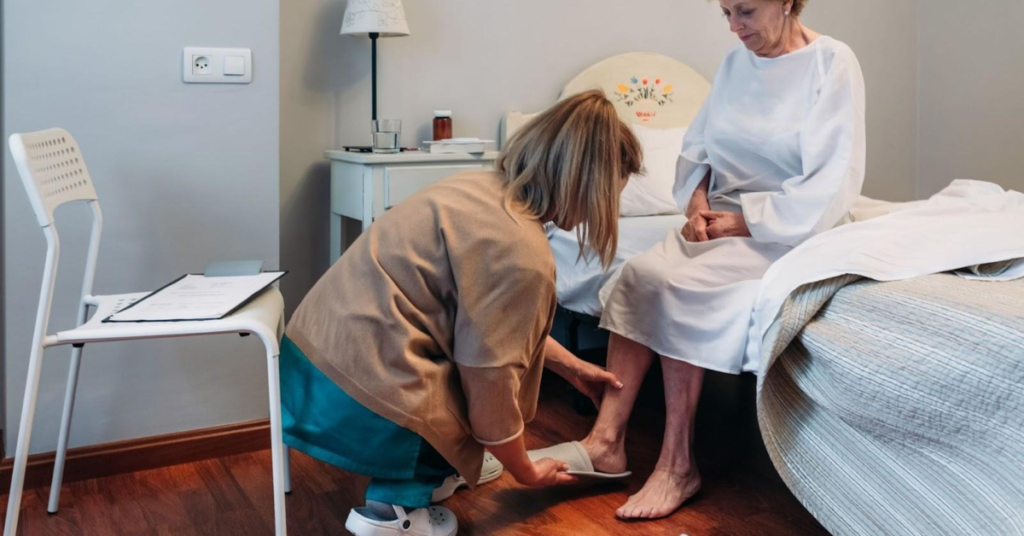
Wounds do not heal on a schedule that fits clinic appointments. Whether caused by surgery, diabetes, pressure injuries, or trauma, wounds require consistent monitoring, proper technique, and timely intervention. When that care is delayed or performed incorrectly, the consequences can be serious especially once a patient is back at home. For families in Orlando, wound care nursing at home provides a safer alternative to repeated clinic visits or relying on untrained caregiving. With licensed nurses delivering care in the home, healing can progress under close clinical supervision, reducing complications and unnecessary hospital returns. ZODU Home Health Care provides professional in-home wound care nursing services across Orlando and Central Florida, focused on safety, early detection, and proper healing support. Why Wound Care Requires Clinical Expertise Not Guesswork Many wounds look manageable at first. A surgical incision appears clean. A diabetic foot wound seems small. A pressure sore looks “about the same” day after day. The challenge is that wound complications often develop quietly. Without clinical training, families may miss early signs such as: Wound care nursing exists to catch these changes early before infection, tissue damage, or hospitalization becomes necessary. The Risks of Managing Wounds Without Nursing Support After discharge, many Orlando families are given basic instructions and supplies, then left to manage complex wound care alone. This creates several risks: Repeated trips to wound clinics are not always practical, especially for patients with mobility limitations or transportation challenges. Home-based wound care solves this gap by bringing clinical expertise directly to the patient. What Wound Care Nursing at Home Actually Includes Wound care nursing is far more than changing bandages. At ZODU Home Health Care, licensed nurses provide structured, physician-directed wound care services in the home, including: Comprehensive Wound Assessment Each visit includes evaluation of: These assessments help identify problems early and guide next steps. Skilled Dressing Changes Different wounds require different approaches. Our nurses follow physician orders for: Proper technique helps promote healing and reduce infection risk. Infection Monitoring & Escalation Nurses are trained to recognize early warning signs and communicate concerns promptly to physicians when healing does not progress as expected. Patient & Caregiver Education Families receive clear guidance on: Education helps reduce anxiety while maintaining safety. Why In-Home Wound Care Matters in Orlando Orlando’s growing population includes many seniors, post-surgical patients, and individuals managing chronic conditions such as diabetes or vascular disease. These groups face a higher risk of delayed wound healing. Home wound care nursing provides: For many patients, healing at home is not just more comfortable it is safer. How ZODU Home Health Care Delivers Wound Care Differently Not all home wound care services are coordinated. Fragmented care often results in: ZODU Home Health Care operates with a coordinated clinical model, ensuring wound care is part of a broader nursing and health oversight plan when needed. Our nurses work within structured care plans that support: This approach helps prevent small wound issues from becoming major medical events. Common Situations That Benefit from Home Wound Care Nursing Families in Orlando often seek wound care nursing at home for: If wound care instructions feel overwhelming or healing appears slow, professional nursing support can make a meaningful difference. Healing Where Daily Risks Exist At Home Clinics cannot see the full picture. At home, nurses can assess: This real-world insight allows wound care plans to be adjusted to the patient’s actual living conditions, not ideal scenarios. Serving Orlando and Central Florida with Trusted Nursing Care ZODU Home Health Care proudly serves Orlando and surrounding Central Florida communities with licensed, insured nursing teams. 📍 Address: 2981 W State Rd 434, Suite 300Longwood, FL 32779, United States 📞 Phone: +1 973-652-4850 🌐 Website: https://www.zoduhomehealthcare.com Frequently Asked Questions About Wound Care Nursing at Home Is home wound care covered by insurance? Many wound care nursing services are covered by Medicare Advantage or commercial insurance when medical criteria are met. ZODU verifies benefits quickly. How often do nurses visit for wound care? Visit frequency depends on the wound type, healing stage, and physician orders. Plans are adjusted as healing progresses. Can wound care be combined with other services? Yes. Wound care nursing can be coordinated with medication management, therapy services, or home health aides when appropriate. What should families watch for between visits? Redness, increased pain, unusual drainage, odor, swelling, or fever should be reported promptly. When to Start Wound Care Nursing at Home Waiting for a wound to “improve on its own” often leads to setbacks. Home wound care nursing is most effective when started early before complications develop. If you or a loved one in Orlando: Professional nursing support at home can help protect healing and reduce risk. Schedule In-Home Wound Care Nursing in Orlando Wounds deserve clinical attention not uncertainty. With wound care nursing at home, patients receive professional oversight where healing truly happens. ZODU Home Health Care provides skilled, compassionate wound care nursing services throughout Orlando and Central Florida. 📞 Call today to schedule an in-home assessment and discuss wound care options with our clinical team.
Home Nursing Services in Orlando: Clinical Excellence at Your Doorstep with ZODU Home Health Care
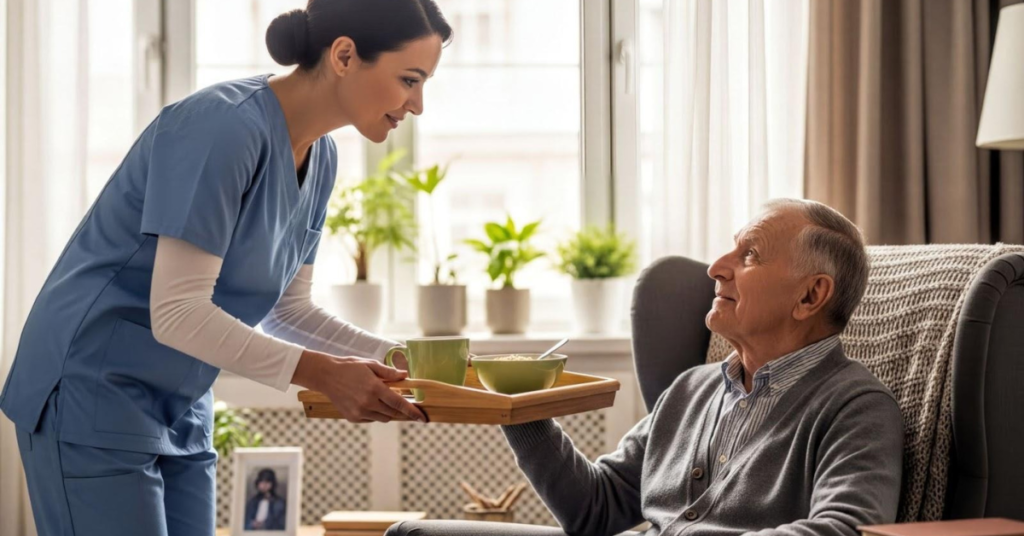
In Orlando, medical needs rarely follow a neat schedule. Appointments get delayed, transportation becomes difficult, and families often find themselves managing complex health tasks at home without professional guidance. What starts as “just a few weeks of recovery” can quickly turn into daily uncertainty, stress, and risk. This is exactly where home nursing services in Orlando become essential not as a luxury, but as a critical extension of medical care. When properly delivered, home nursing provides licensed clinical oversight, supports recovery, and helps prevent avoidable emergencies. ZODU Home Health Care brings professional nursing care directly into the home, ensuring patients receive consistent, medically guided support in the environment where healing actually happens. When Medical Care Can’t Wait for the Next Appointment Many Orlando families assume home nursing is only for severe cases. In reality, it is most valuable before conditions worsen. Common situations that prompt families to seek home nursing include: Without professional nursing oversight, small issues missed doses, unnoticed symptoms, or improper wound care can quietly escalate into hospital readmissions. Home nursing exists to prevent those outcomes, not respond after damage is done. What Happens When Families Try to Manage Alone When clinical care stops at discharge, families are left filling the gaps. In Orlando, we often see caregivers juggling: This constant pressure leads to caregiver burnout and medical risk. Home nursing services replace uncertainty with structure. Instead of guessing, families gain access to licensed professionals who assess, monitor, and guide care decisions in real time. What Home Nursing Services Look Like Inside the Home Home nursing is not a quick visit or a checklist. It is ongoing clinical care provided by licensed RNs and LPNs, guided by physician orders and evidence-based practices. At ZODU Home Health Care, nursing services in Orlando commonly include: Clinical Monitoring & Assessment Nurses track vital signs, symptoms, and functional changes that may indicate early complications. This monitoring allows issues to be addressed before they become emergencies. Medication Administration & Education Medication errors are one of the leading causes of hospital readmissions. Our nurses: Wound & Post-Surgical Care Proper wound care requires precision. ZODU nurses provide: Chronic Disease Management Conditions such as CHF, COPD, diabetes, and hypertension require consistency. Home nursing supports: Specialized Nursing Support Our Orlando-area nursing services also include: This care happens where risks actually occur inside the patient’s daily living environment. Why Orlando Patients Benefit from Nursing Care at Home Orlando is a growing region with busy hospitals and limited appointment availability. Home nursing fills a critical gap by providing: Rather than adjusting life around clinic schedules, care adjusts to the patient. ZODU Home Health Care’s Nursing Model: Coordinated, Not Fragmented Not all home nursing services operate the same way. Fragmented care, different providers, inconsistent communication, and limited oversight creates confusion and risk. ZODU Home Health Care operates with a clinically coordinated model that aligns nursing, therapy, and support services when needed. Our approach focuses on: This structure ensures patients are not just visited but actively supported. Explore all ZODU Home Health Care services Nursing Care That Fits the Reality of the Home Hospitals are controlled environments. Homes are not. Stairs, bathrooms, medication storage, pets, lighting, and caregiver availability all influence safety and outcomes. Home nursing allows care to be delivered with real-world conditions in mind. ZODU nurses assess: These insights help prevent injuries and complications that clinics cannot see from the outside. Serving Orlando and Central Florida Communities ZODU Home Health Care proudly serves Orlando and surrounding Central Florida areas, including Longwood and nearby communities. Our local presence allows timely assessments and consistent follow-up. 📍 Address: 2981 W State Rd 434, Suite 300Longwood, FL 32779, United States 📞 Phone: +1 973-652-4850 🌐 Website: https://www.zoduhomehealthcare.com Frequently Asked Questions About Home Nursing in Orlando Are home nursing services covered by insurance? Many home nursing services are covered by Medicare Advantage or commercial insurance when medical criteria are met. ZODU Home Health Care verifies benefits quickly. How soon can services begin? Start times depend on physician orders and clinical needs, but timely assessments are prioritized for Orlando-area patients. Can nursing services be combined with therapy or aides? Yes. Nursing care can be coordinated with physical therapy, occupational therapy, speech therapy, home health aides, or private duty nursing when appropriate. Is home nursing only for seniors? No. Home nursing supports adults of all ages recovering from surgery, illness, or managing chronic conditions. When Is the Right Time to Start Home Nursing Services? The best time to start is before problems escalate. If a loved one: Home nursing can provide stability, safety, and peace of mind. Get Professional Home Nursing Services in Orlando Today Medical care should not stop at the front door. With home nursing services in Orlando, families gain licensed clinical support where it matters most at home. ZODU Home Health Care delivers compassionate, professional nursing services designed to support recovery, safety, and independence across Central Florida. 📞 Call today to schedule an in-home assessment and discuss nursing care options.
Bridging the Gap Between Hospital and Healing: Post-Surgical Home Care in Orlando

For patients and families in Orlando, especially those recently discharged from major hubs like AdventHealth or Orlando Health, words like “you are going home” often bring a mix of relief and panic. You are relieved to leave the noise of the hospital, but panic sets in when you realize the level of care required at home. Modern medicine emphasizes “rapid recovery,” which means patients are sent home sooner than ever often while still managing drains, fresh incisions, and intense pain. You trade the safety of the hospital monitors for your own bedroom, where you suddenly become the primary caregiver. The first 72 hours at home are the most vulnerable. This is the “Recovery Gap,” where complications like infection, dehydration, or falls are most likely to occur. ZODU Home Health fills this gap. We are not just a staffing agency; we are an Integrated Family Health System. We view your recovery as a coordinated journey, bringing licensed nurses and therapists into your home to ensure that the hospital’s safety standards extend to your bedside, creating a seamless system of care that protects your healing. The Emotional Impact: The Weight of Being the “Unofficial Nurse” If we are honest about post-surgical recovery, we have to talk about the fear that families face. When the hospital staff hands you that thick packet of discharge instructions, they assume you understand medical language. But when you get home, the reality hits. You are suddenly tasked with being a nurse, but you have no training. This pressure leads to Caregiver Burnout. Families often feel like they are failing, simply because they aren’t medical professionals. We validate this struggle. You were meant to be a spouse or a child, not a wound care specialist. Our job is to lift that clinical burden off your shoulders so you can focus on emotional support. The Clinical Stakes: Why the First Week Matters The home environment is comfortable, but it is not inherently sterile or clinically monitored. Without professional oversight, “minor” issues like a missed dose or a slight fever can quickly escalate into medical emergencies. Surgical Site Infections (SSIs) The risk of infection is highest in the days following discharge. A red rim around an incision (erythema), a slight increase in temperature, or cloudy drainage can be subtle signs of an SSI. Our nurses are trained to observe the incision for subtle changes, document drainage levels accurately, and communicate clinical concerns to the surgeon’s team immediately to prevent complications. Pain Management and Medication Safety Post-surgical pain management is a delicate balance. Taking too little pain medication can prevent you from moving (increasing the risk of blood clots), while taking too much can lead to respiratory depression or severe constipation. Managing the timing of narcotics alongside antibiotics and blood thinners is a complex nursing task. Mobility and Deep Vein Thrombosis (DVT) Mobility and Deep Vein Thrombosis (DVT)After surgery, the body wants to rest, but safety demands movement. Immobility increases the risk of blood clots (DVTs) in the legs, which can travel to the lungs (Pulmonary Embolism). The challenge is knowing how to move safely without damaging the surgical repair. The ZODU System Advantage Why is an Integrated System safer for post-op recovery? In a traditional home health model, you might have a nurse from one agency and a physical therapist from another. They rarely speak. If your wound opens up during a therapy session, the therapist might not know who to call. At ZODU, we eliminate this silence. The Arrival Assessment: Establishing a Safety Baseline We replace the chaos of discharge with a structured arrival plan. The moment ZODU enters your home, we establish a clinical baseline. We conduct a full Surgical Site Assessment. We examine the incision line for closure (approximation), check for signs of dehiscence (separation), and evaluate any surgical drains (like JP drains or Hemovacs). We ensure you know how to empty and measure these drains, a task that often confuses families. Simultaneously, we assess the Home Recovery Environment. Is the pathway to the bathroom clear for a walker? Is the bed at a height that allows you to get in and out without straining your abdominal muscles? We secure the perimeter to prevent the number one post-op risk: falling. We also review the hospital discharge summary in detail, identifying any medication changes that need to be reconciled immediately. Active Recovery Protocols: Managing the Medical Details Recovery is an active process. We implement the specific protocols ordered by your surgeon to drive healing. Wound Care Management We bring hospital-grade sterility to your bedroom. Our nurses perform sterile dressing changes, manage negative pressure wound therapy (Wound VACs) if prescribed, and monitor the wound bed for granulation (healing) tissue. We teach you or your caregiver the proper aseptic technique so the wound remains safe between visits. Medication Reconciliation Post-op medication lists are often confusing. You may be on a new anticoagulant (blood thinner) like Lovenox or Eliquis. We teach you exactly how to administer these injections if needed, and we reconcile these new drugs with your existing daily medications to prevent dangerous interactions. Nutritional Support for Healing Surgery puts the body in a catabolic (breakdown) state. To rebuild tissue, you need increased protein and hydration. We assess your intake and coordinate with your doctor to recommend supplements if your appetite is low, ensuring your body has the fuel to close the incision. Restoring Independence: The Path Back to Normalcy Our goal is not to be your nurse forever; it is to get you back to your life. We measure success by your return to independence. We track your Functional Milestones. Can you walk to the mailbox? Can you shower independently? Can you manage your own pain without heavy narcotics? For orthopedic patients (Total Hip/Knee), we coordinate closely with ZODU Physical Therapy to ensure you are hitting range-of-motion goals. For cardiac patients, we monitor endurance and sternal precautions. Transformation happens when you are cleared by your surgeon to drive, return to work, and resume your normal routine. Scope of
Breaking the Cycle of Readmissions: Chronic Disease Management at Home
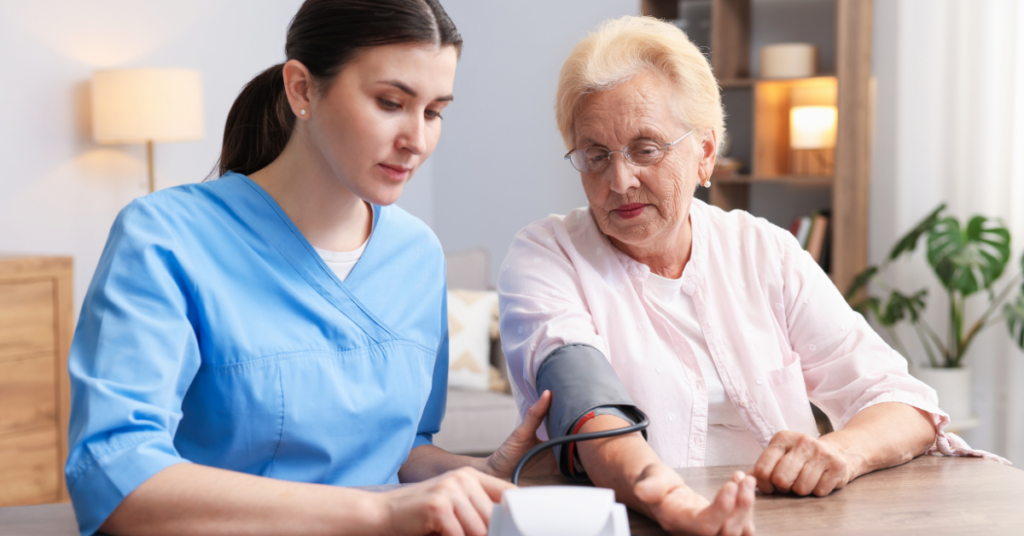
For families in Orlando managing long-term health conditions, life often feels like a revolving door. You spend a week in the hospital at AdventHealth or Orlando Health stabilizing a condition like Heart Failure or COPD. You get discharged with a sense of hope. But within weeks or even days subtle change occurs. A little extra fluid in the ankles, a slight drop in oxygen levels due to the Central Florida humidity, or a spike in blood sugar goes unnoticed. Suddenly, you are back in the ambulance, heading to the ER for the third time this year. This cycle is exhausting, expensive, and clinically dangerous. It stems from the “Stability Gap,” the lack of professional medical oversight in the home environment. ZODU Home Health breaks this cycle. As an Integrated Family Health System, we do not just treat symptoms when they flare up; we manage the disease proactively. By bringing licensed nursing and clinical monitoring into your home, we create a coordinated system of care designed to detect small changes before they become life-threatening emergencies. The Emotional Impact: Living in “Crisis Mode” Chronic illness doesn’t just attack the body; it attacks the family’s peace of mind. If you are a caregiver for a parent with a chronic condition, you know the feeling of “walking on eggshells.” You are constantly vigilant. We understand that you want to be a daughter or a spouse, not a relentless case manager. Our goal is to shoulder the clinical burden so you can stop living in crisis mode and start enjoying your time together. The Clinical Stakes: The Cost of Instability Chronic diseases are progressive. Every time a patient is hospitalized for an exacerbation (flare-up), it takes a toll on their long-term baseline. Organ Damage from Fluctuation For a diabetic, “Rollercoaster” blood sugars (highs and lows) cause cumulative damage to the kidneys, eyes, and nerves. For a hypertension patient, uncontrolled spikes increase the risk of stroke exponentially. Consistency is the only way to protect the organs. The “Deconditioning” Spiral Every hospital stay leads to muscle loss (atrophy). A patient with COPD who spends a week in bed due to pneumonia may lose the strength to walk to the bathroom, leading to a permanent loss of independence. Keeping the patient home is the best way to preserve their strength. Medication Complexity Chronic patients often take 10-15 medications. Without a system, the risk of “therapeutic duplication” or missed doses is high. Our nurses observe medication adherence, document side effects, and communicate concerns to the prescribing physician immediately to prevent toxicity. The ZODU System Advantage Why is an Integrated System better for chronic care? Chronic conditions rarely exist in isolation. A patient with Heart Failure often has kidney issues. A diabetic often has foot wounds. In a fragmented system, the wound nurse doesn’t talk to the cardiologist. At ZODU, we connect the dots. The Stability Baseline: Auditing the Home Environment We begin by establishing a “new normal.” When ZODU enters the home, we stop the guessing game. We conduct a full Disease Process Audit. We review the last 12 months of hospitalizations to identify the triggers. Was it missed medication? Was it a salty meal? Was it a respiratory infection? We assess the home environment for specific risks. For an asthma or COPD patient in Orlando, we look for mold triggers or humidity issues. For a Heart Failure patient, we check the pantry for high-sodium foods that might be sabotaging their diuretic therapy. We establish clear “baseline vitals” that are normal for youso we know exactly when to react. The Proactive Loop: Monitoring and Intervention Once we have a baseline, we implement a monitoring loop designed to catch “Yellow Zone” symptoms before they turn into “Red Zone” emergencies. Vital Sign Trending We don’t just take blood pressure once. We track the trend. A slow creep up in weight (2 pounds in 24 hours) is a classic sign of fluid retention in heart failure. By catching this on Tuesday, we can call the doctor for a medication adjustment and avoid an ER visit on Friday. Medication Optimization Chronic management is fueled by medication. We reconcile the pill bottles, organize weekly planners, and ensure that the timing of meds aligns with the patient’s lifestyle. We administer injections (like insulin or blood thinners) and teach the family how to do it safely. Lab Coordination We can draw blood at home for necessary labslike checking INR levels for Coumadin patients or A1C for diabetics. This spares the patient the exhaustion of traveling to a lab, ensuring that critical data reaches the doctor faster. Self-Management Mastery: Education as Treatment The ultimate goal of chronic care management is to make the patient the expert on their own body. We teach you how to manage the disease so it doesn’t manage you. The “Stoplight” ProtocolWe teach patients to think in Green, Yellow, and Red zones. Dietary CoachingWe translate “medical diet” talk into real food. We show a CHF patient what 2,000mg of sodium actually looks like on a label. We show a diabetic how to balance carbs with protein to prevent spikes. Scope of Practice: Disease-Specific Protocols ZODU nurses follow specific clinical pathways for the most common chronic conditions affecting seniors in Central Florida. Congestive Heart Failure (CHF) Chronic Obstructive Pulmonary Disease (COPD) Diabetes Management What to Expect After You Call We know you are looking for stability. Here is our 4-step process to bring calm back to your home: The Intake Call You speak with our care coordination team. We discuss the specific diagnosis, the frequency of recent hospitalizations, and the current challenges at home. Insurance Verification We verify your coverage. Medicare Part A typically covers home health services for eligible, homebound beneficiaries who have a skilled need (like observation and assessment of a fluctuating condition). We explain the criteria clearly. Scheduling the Window We arranged the “Start of Care” visit. We prioritize getting a nurse into the home quickly after a hospital discharge to prevent a “bounce-back” readmission. The Clinical Visit A licensed
Skilled Nursing in Central Florida: Bringing Hospital-Level Care Home with ZODU Home Health Care
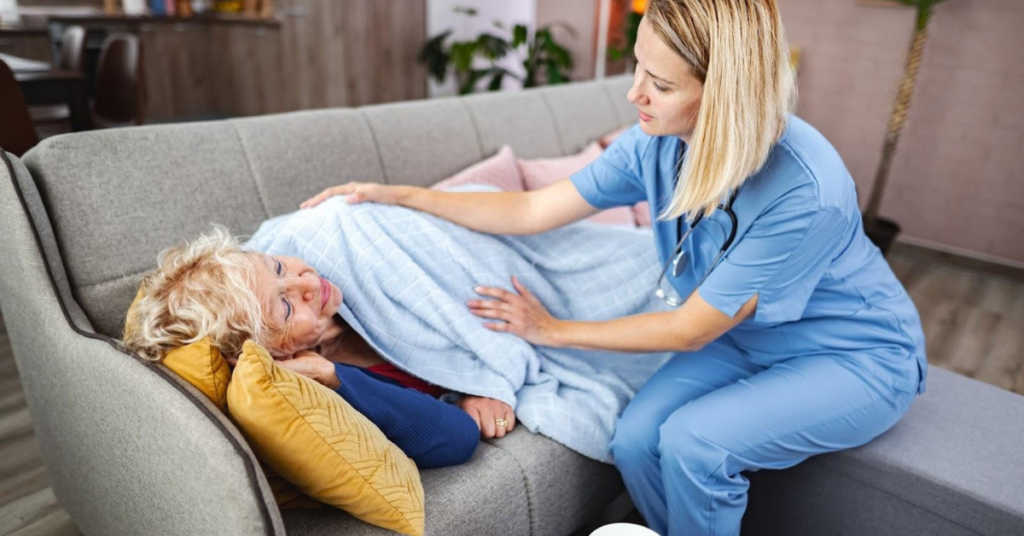
When medical needs continue after hospital discharge, receiving professional care at home can make recovery safer and more manageable. Families across Central Florida rely on ZODU Home Health Care for skilled nursing services that deliver hospital-level clinical support in the comfort of home. What Skilled Nursing at Home Includes Skilled nursing services are provided by licensed RNs and LPNs under physician direction. At ZODU Home Health Care, skilled nursing focuses on medical safety, symptom monitoring, and recovery support, including: These services help reduce complications and support continuity of care between doctor visits. When Skilled Nursing Is Needed Skilled nursing is often recommended when a patient: For many Central Florida families, skilled nursing allows loved ones to remain at home while still receiving professional medical care. How ZODU Home Health Care Supports Recovery at Home Home environments present real-world challenges that hospitals do not. ZODU Home Health Care nurses deliver care where daily risks actually exist stairs, bathrooms, mobility limitations, and medication routines. Our skilled nursing team focuses on: Coordinated Care Beyond Nursing Skilled nursing can be combined with other home health services when appropriate. ZODU Home Health Care also provides therapy and supportive care to ensure patients receive well-rounded treatment at home. Learn more about our full range of services here:Our Home Health Services Serving Central Florida Communities ZODU Home Health Care proudly serves families across Central Florida, including Orange, Seminole, and Osceola counties. Our team works closely with physicians, caregivers, and families to ensure safe, responsive, and professional care at home. Visit our website to learn more:🌐 https://www.zoduhomehealthcare.com Frequently Asked Questions Is skilled nursing covered by insurance?Skilled nursing services may be covered by Medicare Advantage and commercial insurance plans when eligibility criteria are met. Our team verifies benefits before care begins. How often do nurses visit the home?Visit frequency depends on medical needs and physician orders. Some patients require short-term intensive visits, while others need ongoing monitoring. Can skilled nursing be combined with home health aides or therapy?Yes. ZODU Home Health Care coordinates nursing, therapy, and supportive services when appropriate. Contact ZODU Home Health Care If you are looking for skilled nursing in Central Florida, professional care at home can provide safety, stability, and peace of mind. ZODU Home Health Care📍 Address:2981 W State Rd 434 suite 300, Longwood, FL 32779, United States📞 Phone: +1 973-652-4850 Contact us today to schedule an in-home assessment and learn how skilled nursing can support recovery at home.
Bringing Clarity to the Medicine Cabinet: Medication Management at Home
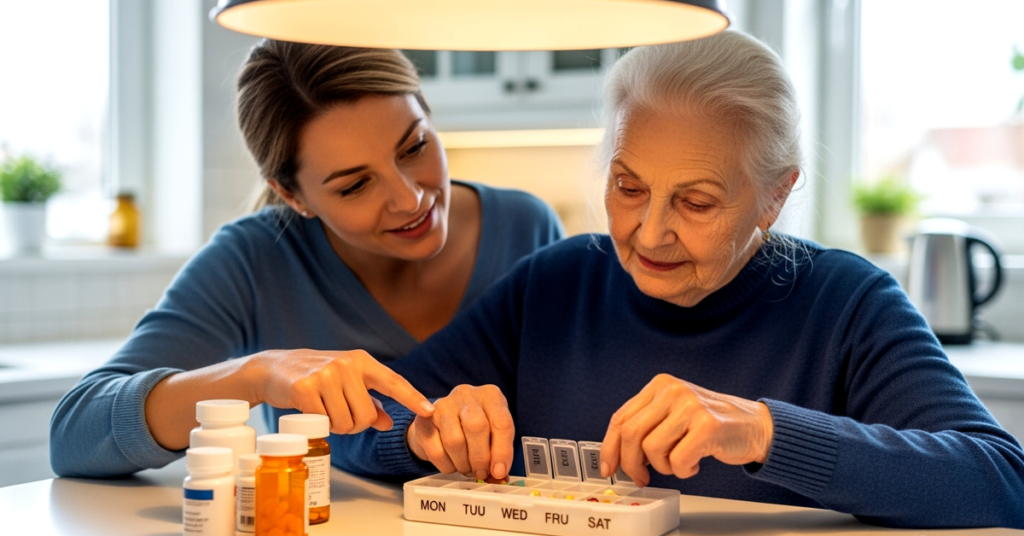
For many seniors and their families in Orlando, the kitchen counter has become a source of daily anxiety. It is covered in amber bottles, pill cutters, and handwritten notes. When a loved one is managing chronic conditions like heart failure, diabetes, or hypertension, the medication regimen can quickly become a full-time job. A hospital discharge often adds five new prescriptions to a list of ten old ones. Generics get mixed up with brand names. Dosages change. The result is a “prescription fog” where neither the patient nor the family is certain if the right pill was taken at the right time. The real challenge here is not just memory; it is clinical complexity. Without a professional system in place, the home becomes a high-risk environment for medication errors. ZODU Home Health operates as an Integrated Family Health System, meaning we don’t just remind you to take a pill; we place a licensed nurse in your home to coordinate the entire medication ecosystem, focusing on safety from the pharmacy to the patient. The Clinical Stakes: Why Confusion is Dangerous Medication mismanagement is not a minor inconvenience; it is a leading driver of hospital readmissions. When the “pharmacy logic” breaks down at home, the physical consequences are immediate and severe. The Risk of Adverse Drug Events (ADEs) Seniors metabolise drugs differently from younger adults. A dosage that was safe five years ago might now cause toxicity. Without monitoring, side effects like dizziness, confusion, or lethargy are often mistaken for “just getting old,” when they are actually signs of a drug interaction. The Fall Connection There is a direct link between medication and falls. Blood pressure medications (antihypertensives) can cause a sudden drop in pressure upon standing (orthostatic hypotension). If a senior double-doses by accident or takes the pill without food, they may faint or lose balance. Preventing medication errors is often the first step in preventing hip fractures. The Readmission Cycle For conditions like Congestive Heart Failure (CHF), missing a diuretic (water pill) for just two days can lead to fluid buildup and a trip back to the Emergency Room. Consistency is the key to staying home, and consistency requires a structured clinical system. The ZODU System Advantage Why choose an Integrated System over a simple pill-reminder app or a standalone caregiver? In a fragmented healthcare world, your cardiologist prescribes one thing, your primary care doctor prescribes another, and the pharmacist simply fills them both. Rarely does anyone look at the whole picture. At ZODU, we close the loop: The Clinical Baseline: Comprehensive Audit We replace guesswork with a clinical audit. The first thing a ZODU nurse does is perform a comprehensive Medication Reconciliation. This is a physical inspection. We ask you to bring out every bottle in the prescription meds, over-the-counter vitamins, herbal supplements, and old prescriptions tucked away in drawers. We often find patients taking two drugs that do the same thing (therapeutic duplication) because one is a brand name and one is a generic. We verify the expiration dates. We check the storage conditions (is the insulin in the fridge?). We create a “Master List” that reflects reality, not just what is in the computer system, and we use this baseline to identify immediate safety risks. The Safety Loop: Physician & Pharmacy Coordination Once we have the baseline, we build a safety net. This involves active coordination with your medical team. Physician Liaison and Order Review If we find discrepancies, for example, the discharge papers say 50mg, but the bottle says 100 mg, we act as the liaison. We contact the physician to clarify the order. We advocate for the patient, asking, “Is this interaction safe?” or “Can we simplify this dosing schedule?” Pharmacy Coordination We work with local pharmacies to help synchronise refills. We help families set up auto-delivery systems or bubble-pack services if appropriate. We help coordinate the supply chain of medication to the home, so you are less likely to run out of critical life-saving drugs over a weekend. Empowerment & Education: Moving Toward Autonomy The goal is to move from confusion to competence. We want the patient and family to feel empowered. We implement organisational systems, such as filling weekly Medication Planners (Pre-Pouring). This removes the daily decision-making burden from the senior. They simply open the “Tuesday Morning” slot. We also provide Disease Process Education. We teach the patient why they are taking the medication. When a patient understands, “This pill keeps the fluid off my lungs so I can breathe,” compliance goes up. We teach the specific “Red Flags” of their meds what implies a dangerous side effect versus a normal adjustment period. Scope of Practice: The Science of Safety Medication Management at Home is a skilled nursing service. It goes far beyond “reminders.” It involves clinical judgment and technical knowledge. Managing Polypharmacy Polypharmacy is the concurrent use of multiple medications (usually 5 or more). Our nurses are trained to monitor the cumulative effect of these drugs. We look for the “Prescribing Cascade,” where a new drug is prescribed just to treat the side effects of an old drug. Insulin and Injectable Management For diabetics, management is high-stakes. We review Sliding Scale Insulin protocols, checking that the patient is monitoring blood sugar correctly and matching the insulin dose to the reading. We assess injection sites for lipohypertrophy (lumpy skin from overuse) and teach proper rotation techniques. High-Risk Medication Monitoring Certain drugs, like blood thinners (Coumadin/Warfarin), require precise monitoring. We check for signs of bleeding (bruising, dark stools) and discuss dietary consistency (Vitamin K intake) that affects how the drug works. Cognitive Support Systems For patients with mild cognitive impairment, we design systems that rely less on memory and more on visual cues. This might include large-print checklists, alarms, or colour-coded charts that match the pill bottle to the time of day. What to Expect After You Call We know that handing over control of medications requires trust. Here is our 4-step process to welcoming you into the system: The Intake Call You will